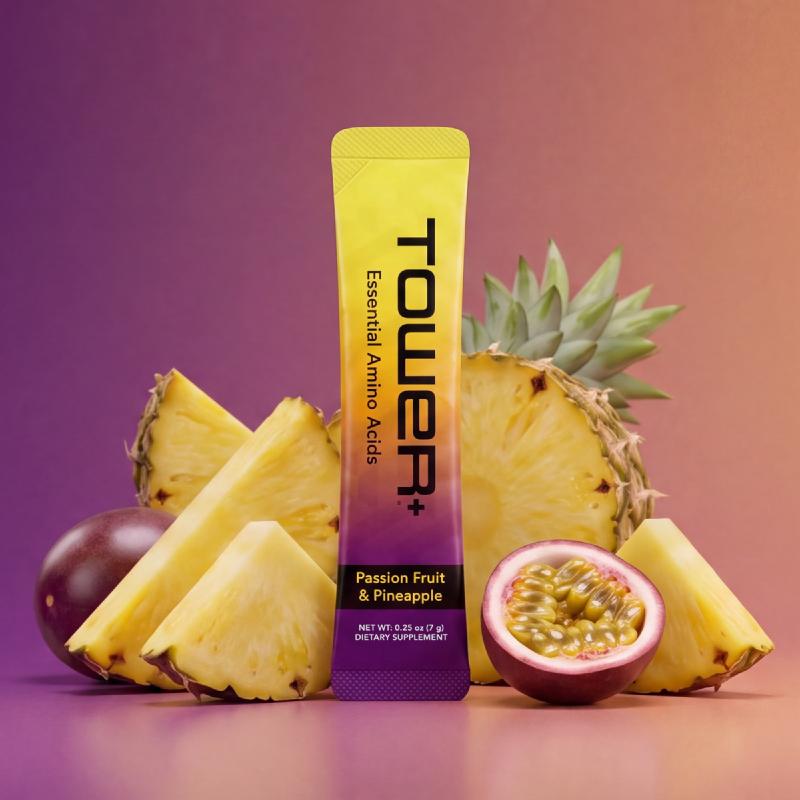
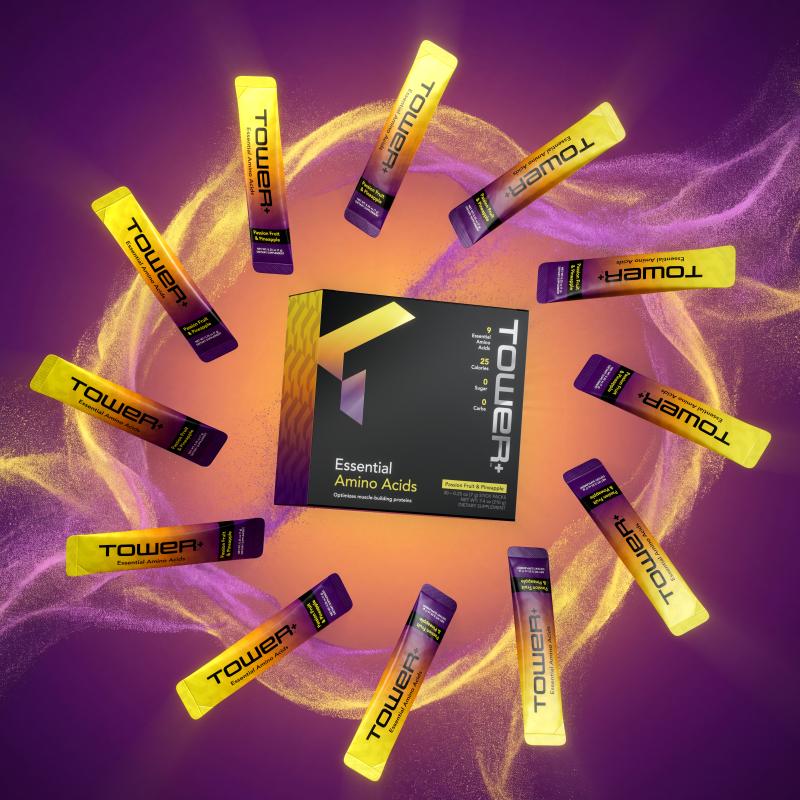
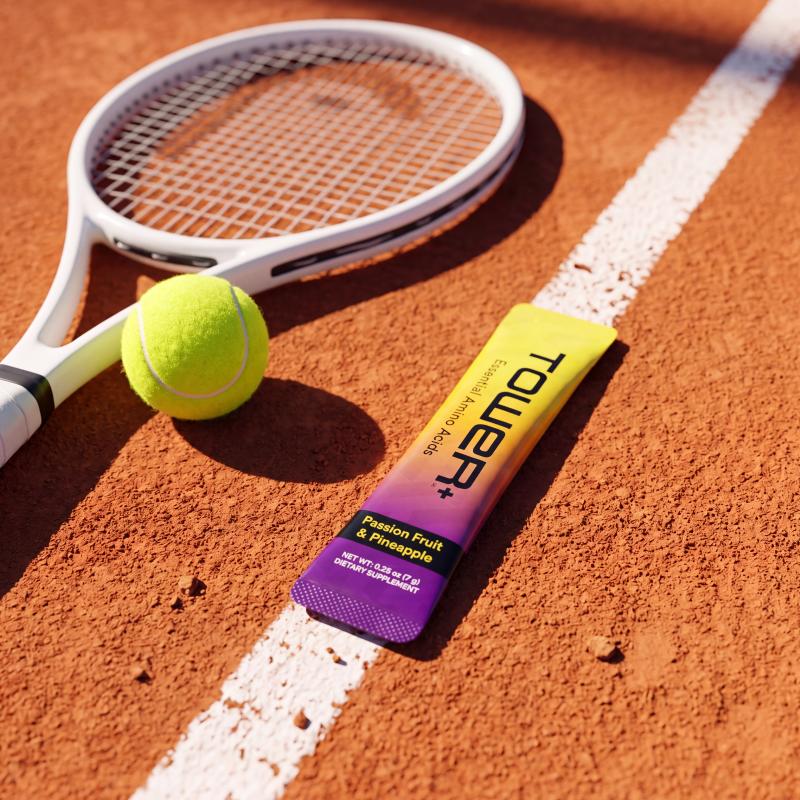
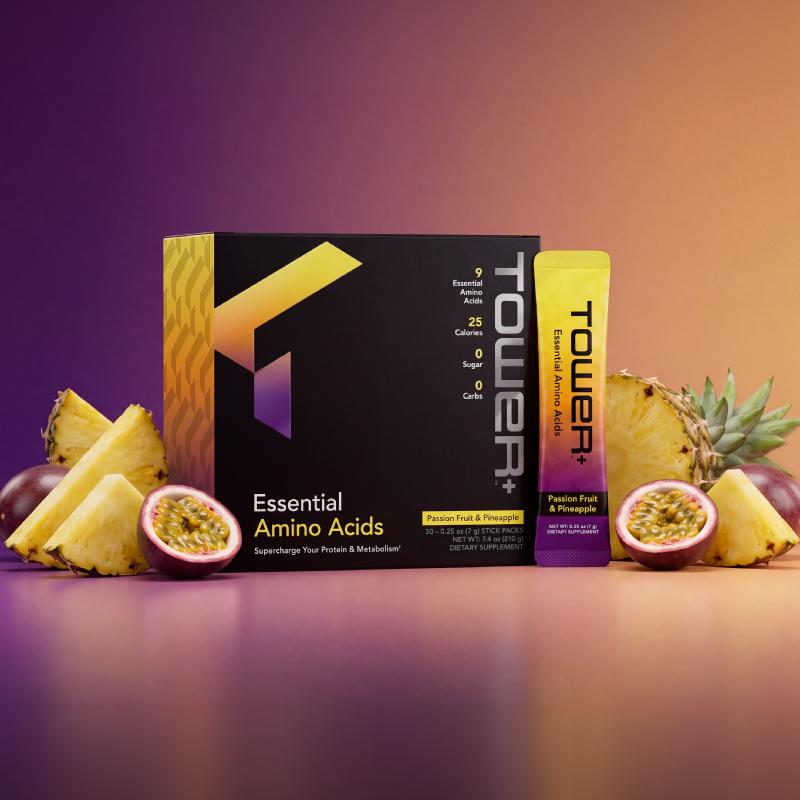
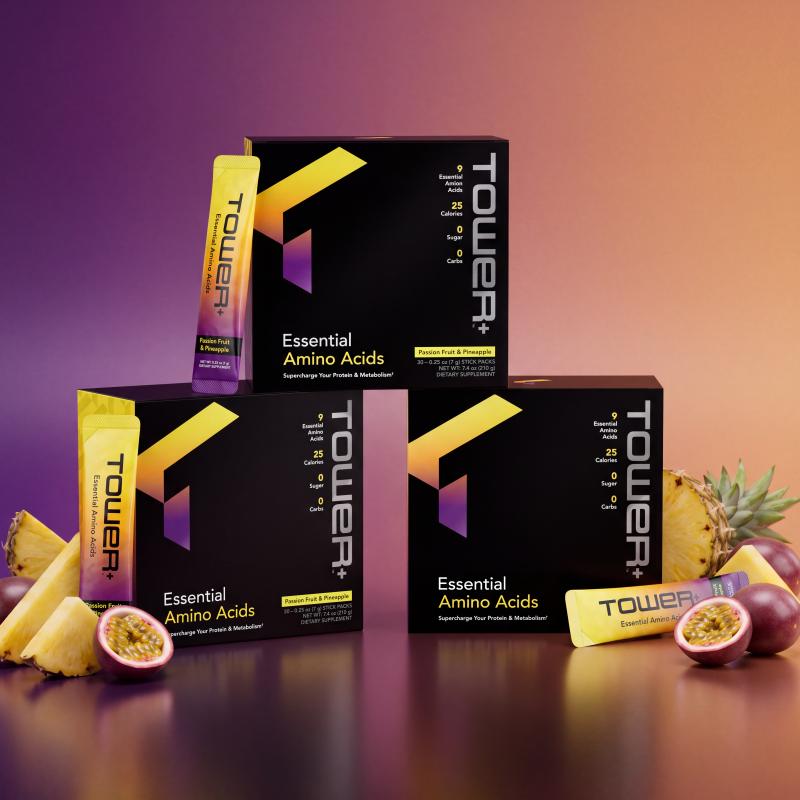
nutraMetrix Tower+™ Essential Amino Acids - Stick Packs (30 Servings)

$44.95

$ 0.90 (2%) Cashback


  • Never run out of this bestseller - automatic restock.
  • Earn cashback to use on future purchases.
  • Pause, skip or cancel anytime.

Product info

What Makes nutraMetrix Tower+ Essential Amino Acids Unique?


Building or maintaining muscle is not just for athletes. It helps support healthy aging, metabolism, mobility and the strength to do the things you love every day. Amino acids serve as the fundamental building blocks of proteins, which are crucial for the development and maintenance of muscle tissue. Given the vital role of amino acids in muscle health and growth, targeted supplementation can be an effective strategy for maintaining and supporting muscle development and achieving your desired physique. There are 20 standard amino acids in the human body that are required for the creation of proteins. Of these, nine are known as essential amino acids (EAAs), which means that the body cannot produce them and must, therefore, obtain them from diet. Gluten-free and low-calorie, nutraMetrix Tower+™ Essential Amino Acids provides a complete essential amino acid profile, enriched with 2 grams of leucine and approximately 3 grams of branched-chain amino acids (BCAAs). Incomplete aminos can’t finish the job, so give your body the full spectrum of essential amino acids in the optimal ratio to support muscle protein synthesis, muscle maintenance, healthy energy metabolism, hormonal balance, and immune health. Featuring natural passion fruit and pineapple flavors and sweeteners, nutraMetrix Tower+ Essential Amino Acids’s tasty and convenient easy-mix powder packets make it easy to fuel your routine anytime, anywhere.

EAAs are important nutrients that support cellular metabolism, stimulate muscle protein synthesis, and contribute to immune function; some also participate in nutrient-signaling pathways. Furthermore, EAA supplementation can support the body’s retention of skeletal muscle mass with age, as muscles become less reactive to growth signals — a condition known as anabolic resistance — which can contribute to muscle loss.From intense, regimented gym training to active outdoor lifestyles, nutraMetrix Tower+ Essential Amino Acids is what your body demands to power up your muscle proteins, with fast nutrient delivery and absorption by the skeletal muscle. In contrast to non-essential amino acids (NEAAs), EAAs are often associated with fitness and have been shown to be especially important for supporting muscle growth. EAA supplements do not need to contain NEAAs to stimulate muscle protein synthesis (MPS). Furthermore, evidence suggests as little as 1.5-3 grams of free-form EAAs is capable of stimulating MPS at rest.

While all EAAs are important in muscle health, the three referred to as BCAAs — leucine (the most significant), isoleucine and valine, stand out among the rest. BCAAs are not only essential for muscle and fitness, as they can be utilized as an energy source, but also support healthy aging. nutraMetrix Tower+ Essential Amino Acids provides all nine EAAs in a free form delivery with nearly 3 grams of BCAAs per serving, helping you optimize your muscle proteins on the go. Specifically, BCAAs are renowned for promoting muscle growth and are particularly noted for their metabolic functions, such as aiding MPS. Approximately 35% of the EAAs in muscle proteins are BCAAs, which also constitute close to 21% of the body’s total protein. The daily suggested intake of BCAAs follows a 2:1:1 ratio — meaning 45 mg of leucine and 22.5 mg of isoleucine and valine per kilogram of body weight. Our formula not only meets that recommended ratio but offers a significantly higher leucine content, with a ratio of 5:1:1. This enhanced leucine proportion is intended to further promote MPS and muscle growth, given leucine’s critical role in these processes.

Not only is leucine recognized for being the most powerful amino acid for stimulating and modulating the mTOR signaling pathway, but it has also been shown to have the highest impact on the secretion of leptin (the hormone responsible for sending signals to your brain that you are fully satisfied after eating). Evidence suggests the mTOR signaling properties of BCAAs help to support cognitive functioning and mood. Consuming an adequate amount of essential amino acids (EAAs) has been shown to directly promote neurotransmitter synthesis and function, as EAAs serve as precursors for neurotransmitters. Evidence also indicates that EAA supplementation may have beneficial effects on executive functioning when taken before aerobic exercise. In one study, 22 healthy men consumed either a 4.7 g EAA supplement or a placebo 30 minutes prior to participating in 30 minutes of moderate-intensity aerobic activity. The results demonstrated that EAA supplementation can support executive functioning.

Evidence suggests that while BCAAs alone can stimulate myofibrillar protein synthesis following resistance exercise, a full EAA profile appears necessary to achieve a maximal MPS response. One reason why EAA blends are so popular is because they can be absorbed so quickly by the body (in as little as 20-40 minutes), since they are already in a free form. Thus, your body can utilize the EAAs more quickly, putting them into action to help you prepare for your workout, to perform well during your workout or to help you recover after your workouts. EAAs can also be digested more quickly than other options like whey protein blends that may contain EAAs. Three grams of EAA supplementation alone can stimulate around the same MPS as 20 grams of whey protein isolate that contains 10 grams of EAAs.

The 5-gram EAA blend in nutraMetrix Tower+ Essential Amino Acids also delivers 100% of your body’s daily recommended value of biotin to support normal energy metabolism. Biotin, a form of vitamin B, is a water-soluble essential nutrient that supports the normal function of biotin-dependent carboxylase enzymes involved in the metabolism of certain amino acids and energy production. Furthermore, it acts as a cofactor for these enzymes, helping them catalyze specific reactions that function in different metabolic pathways. Biotin supports the body’s process of breaking down amino acids, which helps to contribute to a healthy immune system. Evidence shows that the body requires more amino acids when encountering extra stressors that can have an impact on immune health, demonstrating their importance for maintaining metabolic and overall health.

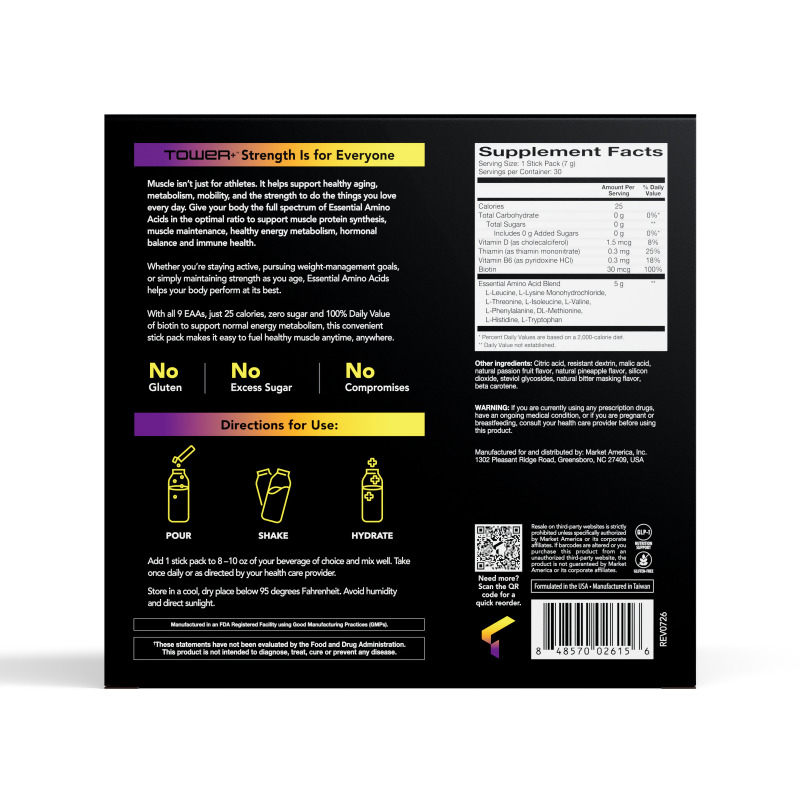
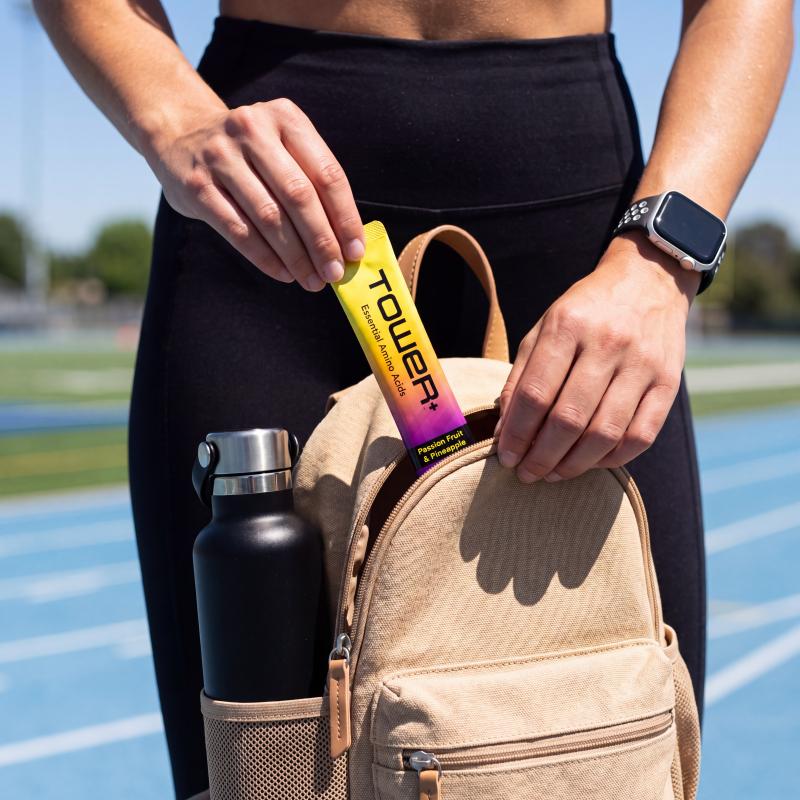
nutraMetrix Tower+ Essential Amino Acids offers a convenient, high-quality solution to support your fitness journey—before, during, or after workouts. Our easy-to-mix, on-the-go powder delivers the full spectrum of nine free-form essential amino acids for rapid absorption and optimal effectiveness, helping to ensure your body gets everything it needs to support muscle health and growth. With a clean formula, zero sugar and only 25 calories per serving, Tower+ seamlessly completes your performance stack without unwanted extras. Fuel your recovery, maximize protein synthesis, and take the next step toward your body-refining goals with the trusted, premium blend offered by Tower+.

*These statements have not been evaluated by the Food and Drug Administration. This product is not intended to diagnose, treat, cure or prevent any disease.

Primary Benefits of nutraMetrix Tower+™ Essential Amino Acids*


A Super Essential Amino Acid Blend

  • Supports muscle protein synthesis
  • Supports faster exercise recovery
  • Supports bone and muscle health
  • Supports energy metabolism
  • Supports muscle maintenance
  • Supports normal nervous system function
  • Supports healthy immune function
  • Supports normal biotin carboxylase function
  • May help maintain normal hormone balance
  • Supports healthy cognitive function and mood
  • Supports healthy executive function

Key Ingredients


Essential Amino Acid Blend
The essential amino acid blend provides the indispensable amino acids that the body cannot synthesize in sufficient quantities and, therefore, must obtain from diet. These amino acids are necessary for the synthesis and repair of body proteins and play a central role in supporting muscle protein turnover, recovery from exercise, and the maintenance of lean tissue mass. They also contribute to normal nitrogen balance and participate in broader metabolic processes related to physical performance and tissue upkeep.

Biotin
Biotin is a water-soluble B vitamin that serves as a cofactor for key carboxylase enzymes involved in intermediary metabolism. It supports normal pathways of carbohydrate, fat, and amino acid metabolism, thereby contributing to cellular energy production and metabolic efficiency. Biotin also plays an established role in maintaining normal enzymatic functions within these core biochemical processes.


Product Classifications


Drinkable Supplements – Easy-to-swallow supplements in liquid form are immediately available to the body for absorption.

Quality Standards – GMP operations and standardized ingredients.

Gluten Free – The finished product contains no detectible gluten (less than 10 ppm gluten).

No detectable GMOs – The finished product contains no detectable, genetically modified organisms.

Dairy Free – The product contains no dairy.

Checked for: microbiological contaminants, potency, purity and identity.


FAQs


What products pair well with nutraMetrix Tower+™ Essential Amino Acids?
nutraMetrix Tower+™ Essential Amino Acids work well alongside GoTrim® weight loss products and Tower+™ sports nutrition products. For additional support for healthy collagen production, you can pair it with Pure Collagen+, a flavorless powder supplement. Tower+™ Essential Amino Acids can also be added to foods like yogurt or smoothies to give your meals an extra boost.

What is Net Protein Balance (NPB)?
Net Protein Balance is defined as the difference between muscle protein synthesis (in which new muscle proteins are created) and muscle protein breakdown (the breakdown of muscle proteins) in the body.

What is an essential amino acid?
Essential amino acids are those that are not produced or synthesized by the body. There are nine essential amino acids that our body must acquire through supplementation or diet to function properly: histidine, isoleucine, leucine, lysine, methionine, phenylalanine, threonine, tryptophan and valine. Each essential amino acid carries out or contributes to a specific function in the body.

What are the key functions of the nine essential amino acids?
Histidine contributes to immune health and healthy histamine neurotransmitter production and supports tissue repair and protein synthesis.
Isoleucine supports hemoglobin and energy production and helps regulate healthy levels of blood sugar.
Leucine helps combat muscle protein breakdown, supports muscle protein synthesis and tissue repair, and promotes metabolic regulation of energy production and blood sugar.
Lysine promotes collagen production and supports the body’s ability to absorb calcium.
Methionine supports the body’s detoxification processes (especially in the liver) and contributes to the absorption of certain essential minerals.
Phenylalanine supports healthy neurotransmitter production that plays a large role in brain functioning.
Threonine supports healthy collagen and elastin production and aids in fat metabolism.
Tryptophan helps regulate mood by supporting healthy serotonin production and promotes healthy sleep quality.
Valine is essential for energy production, as well as muscle growth and repair.

What are the directions for use?
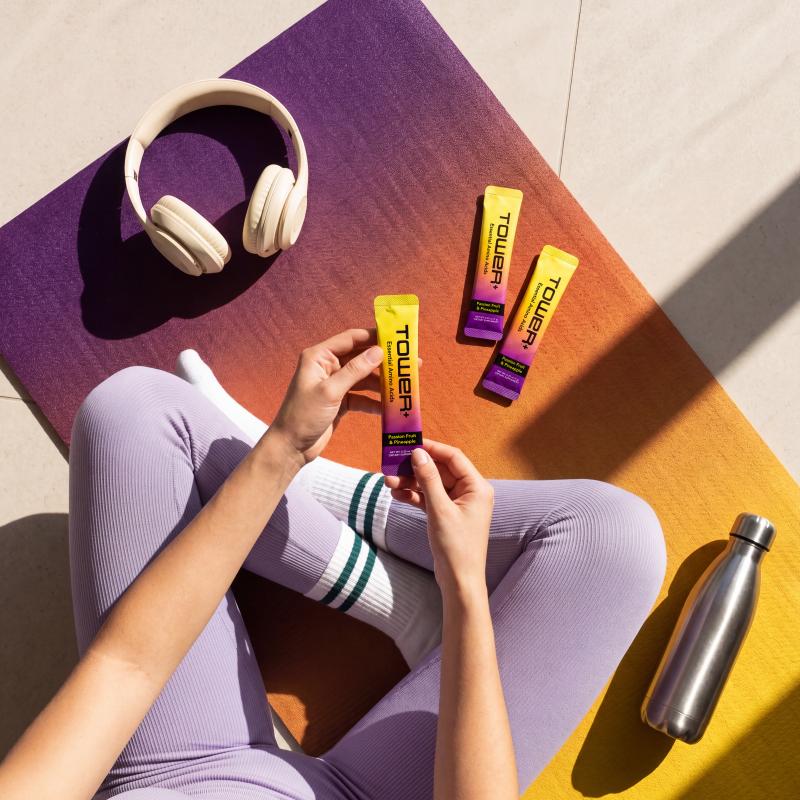
Add 1 stick pack to 8-10 oz of your beverage of choice and mix well. Take once daily or as directed by your health care provider. Store in a cool, dry place below 95 degrees Fahrenheit. Avoid humidity and direct sunlight.

Which three essential amino acids are considered branched-chain amino acids (BCAAs), and what roles do they play? 
The branched-chain amino acids consist of leucine, isoleucine, and valine. These are classified as essential amino acids, meaning that the human body cannot produce them internally. BCAAs are notable for their impact on metabolism, especially their involvement in protein synthesis. Among them, leucine stands out as the most significant for stimulating muscle protein synthesis.

Can I take more than one serving of nutraMetrix Tower+™ Essential Amino Acids in a day?
Although there is no definitive recommended daily amount for EAA supplementation, Americans typically consume about 40 grams of EAAs per day through their diet. This product can be safely taken multiple times a day without exceeding the average daily intake.


Science


  • Lopez, M. J., & Mohiuddin, S. S. (2024, April 30). Biochemistry, essential amino acids. StatPearls - NCBI Bookshelf. https://www.ncbi.nlm.nih.gov/books/NBK557845/
  • Tech, A. C. (2023, November 27). Why Can’t the Body Make Essential Amino Acids?Advanced ChemTech. https://advancedchemtech.com/why-cant-the-body-make-essential-amino-acids/
  • Amino9® | Leucine-Enhanced EAA ingredient | Compound Solutions. (2026, February 3). Compound Solutions. https://compoundsolutions.com/ingredients/amino9/
  • Professional, C. C. M. (2025, December 19). Amino acids. Cleveland Clinic. https://my.clevelandclinic.org/health/articles/22243-amino-acids
  • Jackman, S. R., Witard, O. C., Philp, A., Wallis, G. A., Baar, K., & Tipton, K. D. (2017). Branched-Chain Amino Acid Ingestion Stimulates Muscle Myofibrillar Protein Synthesis following Resistance Exercise in Humans. Frontiers in Physiology, 8, 390. https://doi.org/10.3389/fphys.2017.00390
  • Zhang, S., Zeng, X., Ren, M., Mao, X., & Qiao, S. (2017). Novel metabolic and physiological functions of branched chain amino acids: a review. Journal of Animal Science and Biotechnology, 8(1). https://doi.org/10.1186/s40104-016-0139-z
  • University of Hawai’i at Mānoa Food Science and Human Nutrition Program. (n.d.). Defining protein. Pressbooks. https://pressbooks-dev.oer.hawaii.edu/humannutrition/chapter/defining-protein/
  • Cnc, E. R. C. (2020). Whey Protein Concentrate vs. Isolate: Which Is Better in 2023. Transparent Labs. https://www.transparentlabs.com/blogs/all/whey-isolate-protein-powder
  • com. (2020, December 3). What Is The Best Ratio Of BCAAs? https://www.bodybuilding.com/content/ask-the-supp-guru-what-is-the-best-ratio-of-bcaas.html
  • Bifari, F., & Nisoli, E. (2017). Branched-chain amino acids differently modulate catabolic and anabolic states in mammals: a pharmacological point of view. British journal of pharmacology, 174(11), 1366–1377. https://doi.org/10.1111/bph.13624
  • Zhang, S., Zeng, X., Ren, M., Mao, X., & Qiao, S. (2017). Novel metabolic and physiological functions of branched chain amino acids: a review. Journal of Animal Science and Biotechnology, 8(1). https://doi.org/10.1186/s40104-016-0139-z
  • Shimomura Y, Yamamoto Y, Bajotto G, Sato J, Murakami T, Shimomura N, Kobayashi H, Mawatari K. Nutraceutical effects of branched-chain amino acids on skeletal muscle. J Nutr. 2006;136:529S-32S.
  • ‎Pradhan, M., ‎Pradhan, M., & Pradhan, M. (2025, January 30). EAA Supplement vs. Whey Protein | Which is the right choice?iThrive Essentials. https://www.ithrive.shop/blogs/essential-insights/eaa-supplement-vs-whey-protein-right-choice?
  • Ferrando, A. A., Wolfe, R. R., Hirsch, K. R., Church, D. D., Kviatkovsky, S. A., Roberts, M. D., Stout, J. R., Gonzalez, D. E., Sowinski, R. J., Kreider, R. B., Kerksick, C. M., Burd, N. A., Pasiakos, S. M., Ormsbee, M. J., Arent, S. M., Arciero, P. J., Campbell, B. I., VanDusseldorp, T. A., Jager, R., Willoughby, D. S., … Antonio, J. (2023). International Society of Sports Nutrition Position Stand: Effects of essential amino acid supplementation on exercise and performance. Journal of the International Society of Sports Nutrition, 20(1), 2263409. https://doi.org/10.1080/15502783.2023.2263409
  • Perry, C. A., & Butterick, T. A. (2024). Biotin. Advances in nutrition (Bethesda, Md.), 15(7), 100251. https://doi.org/10.1016/j.advnut.2024.100251
  • Office of Dietary Supplements - Biotin. https://ods.od.nih.gov/factsheets/Biotin-HealthProfessional/
  • Torres, N., Tobón-Cornejo, S., Velazquez-Villegas, L. A., Noriega, L. G., Alemán-Escondrillas, G., & Tovar, A. R. (2023). Amino Acid Catabolism: An Overlooked Area of Metabolism. Nutrients, 15(15), 3378. https://doi.org/10.3390/nu15153378
  • Li, F., Yin, Y., Tan, B., Kong, X., & Wu, G. (2011). Leucine nutrition in animals and humans: mTOR signaling and beyond. Amino Acids, 41(5), 1185-1193.
  • Fujita, S., & Volpi, E. (2006). Amino acids and muscle loss with aging. The Journal of nutrition, 136(1 Suppl), 277S–80S. https://doi.org/10.1093/jn/136.1.277S
  • Lopez MJ, Mohiuddin SS. Biochemistry, Essential Amino Acids. [Updated 2024 Apr 30]. In: StatPearls [Internet]. Treasure Island (FL): StatPearls Publishing; 2026 Jan-. Available from: https://www.ncbi.nlm.nih.gov/books/NBK557845/
  • Lips, P., & van Schoor, N. M. (2011). The effect of vitamin D on bone and osteoporosis. Best practice & research. Clinical endocrinology & metabolism, 25(4), 585–591. https://doi.org/10.1016/j.beem.2011.05.002
  • National Institutes of Health, Office of Dietary Supplements. (2024). Vitamin D: Fact sheet for health professionals. https://ods.od.nih.gov/factsheets/VitaminD-HealthProfessional/
  • Voulgaridou, G., Papadopoulou, S. K., Detopoulou, P., Tsoumana, D., Giaginis, C., Kondyli, F. S., Lymperaki, E., & Pritsa, A. (2023). Vitamin D and Calcium in Osteoporosis, and the Role of Bone Turnover Markers: A Narrative Review of Recent Data from RCTs. Diseases (Basel, Switzerland), 11(1), 29. https://doi.org/10.3390/diseases11010029
  • Grant, W. B., Wimalawansa, S. J., Pludowski, P., & Cheng, R. Z. (2025). Vitamin D: Evidence-Based Health Benefits and Recommendations for Population Guidelines. Nutrients, 17(2), 277. https://doi.org/10.3390/nu17020277
  • Noh, K. W., & Park, S. (2025). Effects of Amino Acid Supplementation on Muscle protein metabolism and adaptation: a narrative review of effects on muscle mass, strength, and sex differences. Physical activity and nutrition, 29(3), 53–63. https://doi.org/10.20463/pan.2025.0026
  • Wiley KD, Singh J. Vitamin B1 (Thiamine) Deficiency. [Updated 2026 Jan 31]. In: StatPearls [Internet]. Treasure Island (FL): StatPearls Publishing; 2026 Jan-. Available from: https://www.ncbi.nlm.nih.gov/books/NBK537204/
  • Lips, P., & van Schoor, N. M. (2011). The effect of vitamin D on bone and osteoporosis. Best practice & research. Clinical endocrinology & metabolism, 25(4), 585–591. https://doi.org/10.1016/j.beem.2011.05.002
  • Grant, W. B., Wimalawansa, S. J., Pludowski, P., & Cheng, R. Z. (2025). Vitamin D: Evidence-Based Health Benefits and Recommendations for Population Guidelines. Nutrients, 17(2), 277. https://doi.org/10.3390/nu17020277
  • Girgis, V., Tharington, A., Trivett, J., Fitting, S., Meeker, R. B., & Rubinos, C. (2025). Moderate pyridoxal phosphate deficiency enhances neuronal excitability and promotes calcium dysregulation. Frontiers in neuroscience, 19, 1621349. https://doi.org/10.3389/fnins.2025.1621349
  • Noh, K. W., & Park, S. (2025). Effects of Amino Acid Supplementation on Muscle protein metabolism and adaptation: a narrative review of effects on muscle mass, strength, and sex differences. Physical activity and nutrition, 29(3), 53–63. https://doi.org/10.20463/pan.2025.0026
  • Calderón-Ospina, C. A., & Nava-Mesa, M. O. (2020). B Vitamins in the nervous system: Current knowledge of the biochemical modes of action and synergies of thiamine, pyridoxine, and cobalamin. CNS neuroscience & therapeutics, 26(1), 5–13. https://doi.org/10.1111/cns.13207
  • Wiley KD, Singh J. Vitamin B1 (Thiamine) Deficiency. [Updated 2026 Jan 31]. In: StatPearls [Internet]. Treasure Island (FL): StatPearls Publishing; 2026 Jan-. Available from: https://www.ncbi.nlm.nih.gov/books/NBK537204/
  • Grant, W. B., Wimalawansa, S. J., Pludowski, P., & Cheng, R. Z. (2025). Vitamin D: Evidence-Based Health Benefits and Recommendations for Population Guidelines. Nutrients, 17(2), 277. https://doi.org/10.3390/nu17020277
  • Girgis, V., Tharington, A., Trivett, J., Fitting, S., Meeker, R. B., & Rubinos, C. (2025). Moderate pyridoxal phosphate deficiency enhances neuronal excitability and promotes calcium dysregulation. Frontiers in neuroscience, 19, 1621349. https://doi.org/10.3389/fnins.2025.1621349
  • Tong L. (2013). Structure and function of biotin-dependent carboxylases. Cellular and molecular life sciences : CMLS, 70(5), 863–891. https://doi.org/10.1007/s00018-012-1096-0
  • Bruice, T. C., & Hegarty, A. F. (1970). Biotin-bound CO2 and the mechanism of enzymatic carboxylation reactions. Proceedings of the National Academy of Sciences of the United States of America, 65(4), 805–809. https://doi.org/10.1073/pnas.65.4.805
  • Novak, B. R., Moldovan, D., Waldrop, G. L., & de Queiroz, M. S. (2009). Umbrella sampling simulations of biotin carboxylase: is a structure with an open ATP grasp domain stable in solution?. The journal of physical chemistry. B, 113(30), 10097–10103. https://doi.org/10.1021/jp810650q
  • Nishi, H., Uchida, K., Saito, M., Yamanaka, D., Nagata, H., Tomoshige, H., Miyata, I., Ito, K., Toyoshima, Y., Takahashi, S.-I., Hakuno, F., & Takenaka, A. (2022). Essential amino acid intake is required for sustaining serum insulin-like growth factor-I levels but is not necessarily needed for body growth. Cells, 11(9), 1523. https://doi.org/10.3390/cells11091523
  • Tam, C. S., Johnson, W. D., Rood, J., Heaton, A. L., & Greenway, F. L. (2020). Increased human growth hormone following oral consumption of an amino acid supplement: Results of a randomized, placebo-controlled, double-blind, crossover study in healthy subjects. American Journal of Therapeutics, 27(4), e333–e337. https://doi.org/10.1097/MJT.0000000000000893
  • Jeong, D., Park, K., Lee, J., Choi, J., Du, H., Jeong, H., Li, L., Sakai, K., & Kang, S. (2024). Effects of resistance exercise and essential amino acid intake on muscle quality, myokine, and inflammation factors in young adult males. Nutrients, 16(11), 1688. https://doi.org/10.3390/nu16111688
  • Lees, M. J., Wilson, O. J., Webb, E. K., Traylor, D. A., Prior, T., Elia, A., Harlow, P. S., Black, A. D., Parker, P. J., Harris, N., Cooke, M., Balchin, C., Butterworth, M., Phillips, S. M., & Ispoglou, T. (2020). Novel essential amino acid supplements following resistance exercise induce aminoacidemia and enhance anabolic signaling irrespective of age: A proof-of-concept trial. Nutrients, 12(7), 2067. https://doi.org/10.3390/nu12072067
  • Calderón-Ospina, C. A., & Nava-Mesa, M. O. (2020). B Vitamins in the nervous system: Current knowledge of the biochemical modes of action and synergies of thiamine, pyridoxine, and cobalamin. CNS neuroscience & therapeutics, 26(1), 5–13. https://doi.org/10.1111/cns.13207
  • Wiley KD, Singh J. Vitamin B1 (Thiamine) Deficiency. [Updated 2026 Jan 31]. In: StatPearls [Internet]. Treasure Island (FL): StatPearls Publishing; 2026 Jan-. Available from: https://www.ncbi.nlm.nih.gov/books/NBK537204/
  • Grant, W. B., Wimalawansa, S. J., Pludowski, P., & Cheng, R. Z. (2025). Vitamin D: Evidence-Based Health Benefits and Recommendations for Population Guidelines. Nutrients, 17(2), 277. https://doi.org/10.3390/nu17020277
  • Girgis, V., Tharington, A., Trivett, J., Fitting, S., Meeker, R. B., & Rubinos, C. (2025). Moderate pyridoxal phosphate deficiency enhances neuronal excitability and promotes calcium dysregulation. Frontiers in neuroscience, 19, 1621349. https://doi.org/10.3389/fnins.2025.1621349
  • Baranyi, A., Amouzadeh-Ghadikolai, O., von Lewinski, D., Rothenhäusler, H. B., Theokas, S., Robier, C., Mangge, H., Reicht, G., Hlade, P., & Meinitzer, A. (2016). Branched-Chain Amino Acids as New Biomarkers of Major Depression - A Novel Neurobiology of Mood Disorder. PloS one, 11(8), e0160542. https://doi.org/10.1371/journal.pone.0160542
  • Takada, M., Tanaka, S., Tanaka, K., Tsukie, T., Tsukamoto-Yasui, M., Suzuki, K., Noguchi, Y., Imaizumi, A., Ishii, M., & Ikeuchi, T. (2022). Effects of an essential amino acid mixture on behavioral and psychological symptoms of dementia and executive function in patients with Alzheimer's disease: A double-blind, randomized, placebo-controlled exploratory clinical trial. International journal of geriatric psychiatry, 37(9), 10.1002/gps.5782. https://doi.org/10.1002/gps.5782
  • Dora, K., Tsukamoto, H., Suga, T., Tomoo, K., Suzuki, A., Adachi, Y., Takeshita, M., Kato, Y., Kawasaki, M., Sato, W., Imaizumi, A., Karakawa, S., Uchida, H., & Hashimoto, T. (2023). Essential amino acid supplements ingestion has a positive effect on executive function after moderate-intensity aerobic exercise. Scientific reports, 13(1), 22644. https://doi.org/10.1038/s41598-023-49781-z
  • Hakkarainen, R., Partonen, T., Haukka, J., Virtamo, J., Albanes, D., & Lönnqvist, J. (2003). Association of dietary amino acids with low mood. Depression and anxiety, 18(2), 89–94. https://doi.org/10.1002/da.10120
  • Suzuki, H., Yamashiro, D., Ogawa, S., Kobayashi, M., Cho, D., Iizuka, A., Tsukamoto-Yasui, M., Takada, M., Isokawa, M., Nagao, K., & Fujiwara, Y. (2020). Intake of Seven Essential Amino Acids Improves Cognitive Function and Psychological and Social Function in Middle-Aged and Older Adults: A Double-Blind, Randomized, Placebo-Controlled Trial. Frontiers in nutrition, 7, 586166. https://doi.org/10.3389/fnut.2020.586166
  • Sato, H., Tsukamoto-Yasui, M., Takado, Y., Kawasaki, N., Matsunaga, K., Ueno, S., Kanda, M., Nishimura, M., Karakawa, S., Isokawa, M., Suzuki, K., Nagao, K., Higuchi, M., & Kitamura, A. (2020). Protein Deficiency-Induced Behavioral Abnormalities and Neurotransmitter Loss in Aged Mice Are Ameliorated by Essential Amino Acids. Frontiers in nutrition, 7, 23. https://doi.org/10.3389/fnut.2020.00023

Reviews


There are currently no reviews for this product.